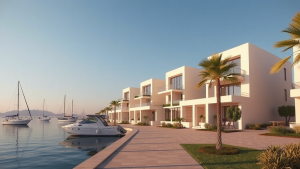

Evaluating flood risks when purchasing property in Hurghada
When buying property in Hurghada, assessing flood risks is crucial for making a sound investment. Located along the coast of the Red Sea, this popular resort town may seem relatively safe from flooding. However, understanding potential risks can save you money and stress in the future. Here’s how you can effectively evaluate flood risks before finalizing your purchase.
Understand the local geography
Hurghada is characterized by its unique landscape. Familiarizing yourself with the topography is the first step in assessing flood risks. Livelihoods on flat plains or near the coastline tend to be more vulnerable. Pay attention to:
- Elevation levels: Higher elevations are generally safer.
- Proximity to water bodies: Properties closer to the sea or rivers may face higher risks during heavy rainstorms.
Review historical weather patterns
Understanding the climate of Hurghada is essential. Research past weather events, focusing on:
- Rainfall frequency: Investigate the average yearly rainfall and any significant flooding events historically noted in the area.
- Storm surges: Check how often storms affect the coastline and how they impact local properties.
With historical data, you can gauge whether the area you’re interested in has experienced significant flooding before.
Check flood zone maps
Local authorities often provide flood zone maps that delineate areas prone to flooding. Here’s how to obtain and interpret these maps:
- Contact local agencies: Reach out to city planning offices or environmental agencies for the latest flood zone maps.
- Identify flood zones: Look for designations that indicate risk levels – high, moderate, or low.
Always prioritize properties located outside high-risk flood zones. They often provide greater security and peace of mind.
Engage with local residents
Local knowledge is invaluable when assessing flood risks. Engage with residents to gather insights such as:
- Personal experiences: Find out if they’ve faced flooding issues in the past.
- Local community initiatives: Ask about efforts to manage or mitigate flooding risks.
Connecting with the community can guide you in choosing the right property and understanding any existing concerns.
Assess infrastructure and drainage systems
Well-designed drainage systems can dramatically reduce flooding risks. Examine the infrastructure surrounding the property:
- Roads and drains: Look for efficient drainage systems that can handle stormwater effectively.
- Nearby water channels: Investigate if they are well-maintained and capable of carrying excess runoff.
Proper infrastructure indicates a lower risk of flood damage to your property.
Consider purchasing flood insurance
Even if a property appears safe, factoring in flood insurance is wise. It can offer financial protection in the event of unexpected flooding. Here are a few things to consider:
- Policy options: Research different flood insurance policies and coverage details.
- Cost of premiums: Evaluate insurance costs and factor them into your overall budget when buying property.
Flood insurance can offer peace of mind, regardless of risk levels.
Consult with real estate professionals
Enlist the help of real estate agents or property experts who understand the Hurghada market. They can provide insights and recommendations, such as:
- Identifying safer properties: Professionals can help you pinpoint properties with a proven track record of safety.
- Legal requirements: They can inform you of any local regulations regarding flood zones and property purchases.
Expert help can enhance your decision-making process and ensure you invest in a property that meets your requirements and expectations.
By following these guidelines, you can confidently assess flood risks when purchasing property in Hurghada. A thoughtful approach today can lead to a secure and rewarding investment tomorrow.
Strategies for mitigating flood damage in coastal real estate investments
Investing in coastal real estate can be a rewarding endeavor; however, it can also come with significant risks, particularly from flooding. To protect your investment, implementing strategies for mitigating flood damage is essential. Here are some key strategies to consider:
Understanding flood zone designations
Before purchasing any coastal property, it is vital to understand the flood zone designations that the property falls under. Areas are classified by the Federal Emergency Management Agency (FEMA) into various zones based on their risk levels. These are commonly categorized as:
- High-Risk Areas: Flood insurance is a must in these zones.
- Moderate-Risk Areas: Flood insurance is optional but recommended.
- Low-Risk Areas: Generally, flood insurance is not required.
Knowing the flood zone classification will inform your decision-making process regarding insurance and potential modifications to the property.
Investing in flood insurance
Regardless of the flood zone, securing comprehensive flood insurance can be a smart move. This type of insurance can guard against significant financial losses from flood damage. Here’s what you should consider when choosing a plan:
- Coverage Limits: Ensure the policy covers both structural damage and contents.
- Deductibles: Choose a deductible you can afford in case of a claim.
- Reviewing Exclusions: Understand what is not covered to avoid surprises.
Investing in flood insurance not only provides peace of mind but also aids in a faster recovery should flooding occur.
Evaluating property location and topography
The geographical features surrounding the property can significantly influence flood risk. When assessing a coastal property, consider the following:
- Elevation: Properties on higher ground are less likely to experience flooding.
- Natural Barriers: Look for properties surrounded by dunes, vegetation, or manmade levees that can help redirect water.
- Drainage Systems: Evaluate local drainage systems and their capabilities during intense storms or high tides.
Location and topography play key roles in flood risk and should be a priority in your assessment.
Implementing flood mitigation features
Investing in flood mitigation measures can help protect your property from potential damage. Consider incorporating technologies and techniques such as:
- Elevated Structures: Building properties on pilings or raised foundations to minimize flood impact.
- Permanent Barriers: Installing seawalls or berms around properties to prevent floodwaters from entering.
- Flood-Resistant Materials: Use materials that can withstand exposure to water, such as concrete or stone, for construction and renovation projects.
These features not only protect your investment but may also potentially increase the property’s market value.
Staying informed about local policies
Local building codes and floodplain management regulations are essential parts of owning coastal property. Ensure you stay updated on local policies, as they may change based on weather patterns and climate change. Here are some initiatives to be aware of:
- Zoning Laws: Understand any restrictions regarding building in flood-prone areas.
- Government Incentives: Look into potential grants or loans offered for implementing flood mitigation measures.
- Community Planning: Participate in local planning meetings to voice concerns and stay informed on future developments affecting flood risk.
Being engaged with community and local regulations helps you make informed decisions about property management effectively.
Emergency preparedness plans
Having a well-structured emergency preparedness plan is critical in reducing the impact of a flooding event. This plan should include:
- Evacuation Routes: Know the safest evacuation routes from your property.
- Emergency Contacts: Maintain a list of essential contacts, including insurance agents and local emergency services.
- Inventory Documentation: Keep a detailed inventory of your property’s contents for insurance claims.
By preparing for emergencies, you provide yourself and your tenants with a crucial safety net, ultimately safeguarding your investment.
Implementing these strategies can significantly mitigate flood damage risks associated with coastal real estate investments. Whether you are a seasoned investor or a first-time buyer, understanding these strategies will not only help protect your property but also enhance its value over time.
Understanding how to assess flood risks when buying properties in Hurghada is crucial for any potential homeowner or investor. The city, known for its beautiful coastline, is also susceptible to flooding, making it essential for you to take proactive measures. By evaluating flood zones, historical flood data, and local infrastructure, you can make informed decisions that help safeguard your investment. Engaging with local authorities and property experts can provide valuable insights into the area’s flood history and future risks.
Moreover, implementing strategies to mitigate flood damage can enhance the safety and value of your property. Simple measures like elevating structures, using flood-resistant materials, and properly maintaining drainage systems can significantly reduce potential losses during severe weather events. It’s also wise to consider insurance options that cover flood damage, ensuring you’re financially prepared for any unexpected issues.
Ultimately, being diligent in assessing flood risks and taking necessary precautions can lead to a more secure investment in Hurghada’s vibrant real estate market. By prioritizing flood safety and damage mitigation, you are not just protecting your property; you are investing in peace of mind for years to come. Embracing these proactive steps will empower you, enabling you to enjoy all that Hurghada has to offer while minimizing the impact of natural events on your investment.
Find modern 3 bedroom apartments in al kawther Hurghada under 150k — affordable investment properties for russian traders
Explore exclusive 5 bedroom apartments for sale in long beach resort Hurghada under 200k — beachfront properties for norwegian golfers